STRENGTHEN CUSTOMER RELATIONSHIPS, COMMUNICATE VALUE,
AND ADAPT MARKETING STRATEGIES IN AN EVOLVING WORLD.
Rick Arnemann
Independent jewelry retailers have always operated in a relationship-driven business. But today, the landscape is shifting faster than ever. Consumer confidence fluctuates with the economy. Younger buyers approach luxury differently than previous generations. Technology is changing how customers discover, evaluate, and connect with brands. And artificial intelligence is beginning to influence nearly every stage of the customer journey.
The challenge is not simply keeping up with change. It is understanding how to respond strategically without losing the personal touch that makes independent jewelers unique.
From a marketing perspective, those jewelers who see the strongest results are focusing less on chasing trends and more on strengthening five core initiatives that align with today’s consumer expectations.
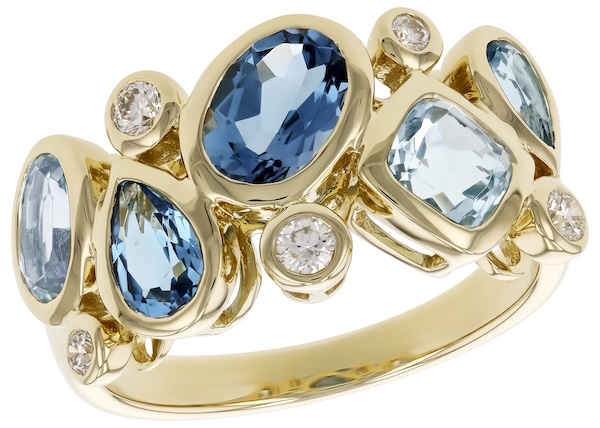
Allison-Kaufman Co 14K blue topaz and diamond ring 2.75 CTW MSRP $4,455 allisonkaufman.com 800.800.8908
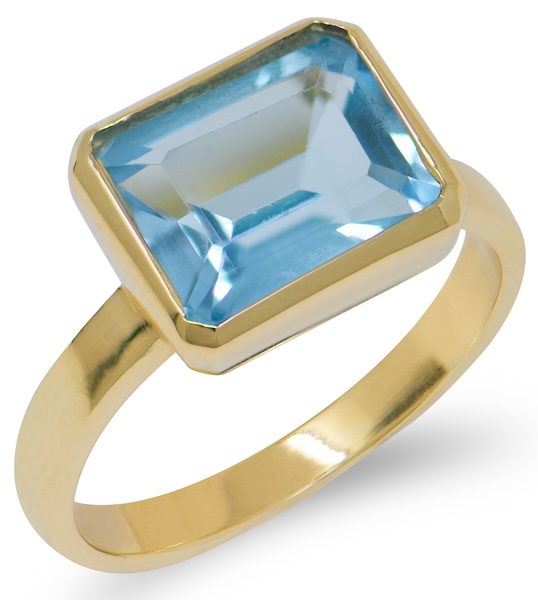
Anzie 14K yellow gold with blue topaz ring MSRP $2,250 anzie.com 888.341.2604
1. Build Trust Through Consistent Brand
Storytelling
In uncertain economic periods, consumers become more intentional about where they spend money. Jewelry purchases often carry emotional significance, which means trust matters as much as product selection.
Retailers should focus on clearly communicating who they are, what they stand for, and why their store experience is different. That story should appear consistently across websites, social media, email marketing, advertising, and in-store messaging.
Consumers want authenticity. They are drawn to family history, craftsmanship, community involvement, custom design expertise, and transparency. Stores that successfully communicate those qualities create stronger emotional connections and remain top-of-mind when customers are ready to buy.
2. Elevate the Customer Experience
Luxury consumers increasingly expect more than a transaction. They want an experience that justifies the investment they are making.
That expectation extends well beyond the showroom.
The online experience, appointment process, follow-up communication, packaging, and post-sale service all contribute to how customers perceive value.
Jewelers should evaluate every customer touchpoint through the lens of hospitality. Is your website easy to navigate? Are social channels visually polished and current? Does the store environment feel welcoming and elevated? Is your sales team equipped to create a consultative, personalized experience?
Marketing plays a major role here. Strong photography, thoughtful email campaigns, clienteling initiatives, and personalized communication help reinforce a luxury experience before your customers ever walk through the door.
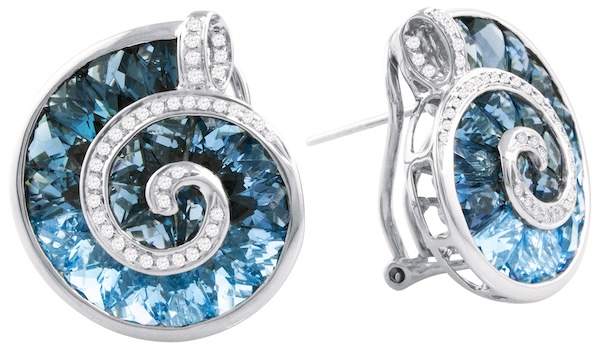
Bellarri Blue topaz & diamond 14K white gold earrings MSRP $8,150 bellarri.com 800.255.0192
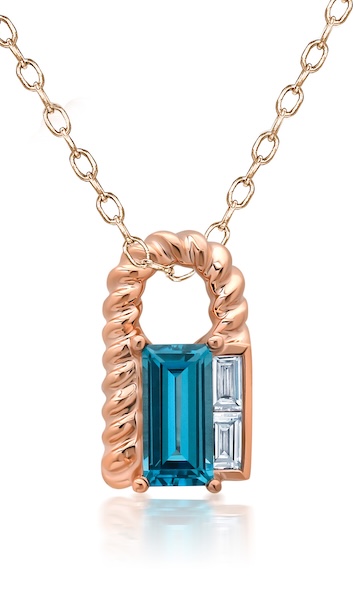
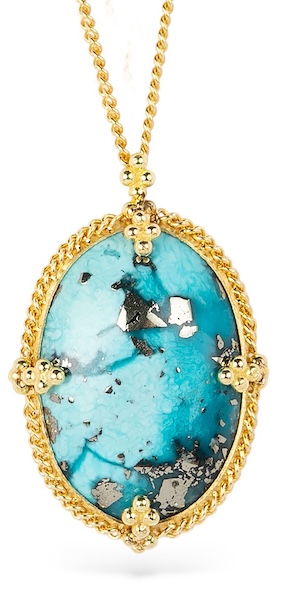
Chatham 14K lab-grown Paraiba-colored spinel pendant MSRP $923 chatham.com 800.222.2002
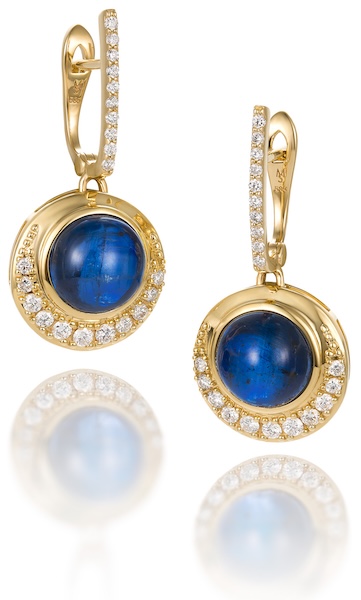
Martha Seely Design 14K earrings with Kyanite and 0.462CTW diamonds MSRP $4,270 marthaseely.com 617.899.2162
3. Understand the Value-Driven Gen Z
Consumer
Gen Z is beginning to enter the fine jewelry market in meaningful ways, but they view luxury differently than previous generations. Many came of age during economic uncertainty, a rising cost of living, and financial instability. As a result, they tend to approach spending more cautiously, especially when purchasing luxury items.
Brands that previous generations may have considered “mid-tier” are now viewed as aspirational luxury brands by many younger consumers. That does not mean Gen Z is uninterested in jewelry. It means they are highly focused on value and intentional purchasing.
The most effective marketing will still require a human voice. Jewelry is emotional, personal, and trust based. Customers do not want automated relationships. They want personalized ones.
Today’s younger buyers want to feel confident they are getting the most out of every dollar they spend. They respond to quality, versatility, customization, and products with emotional or personal significance.
For retailers, the challenge is balancing marketing efforts between established top customers and emerging younger buyers. You shouldn’t abandon your luxury positioning to appeal to Gen Z but instead consider how value is communicated. Messaging around craftsmanship, longevity, heirloom quality, personalization, and wearability can resonate strongly with younger consumers without alienating core clientele.
Don’t make the mistake of dismissing younger consumers because they are price conscious. In reality, they represent future long-term customers. And if you begin building relationships with them now, you’ll be better positioned for long-term growth.
4. Use AI as a Tool, Not a Replacement
Artificial intelligence is rapidly becoming integrated into marketing platforms, customer communication tools, and search behavior. While some may feel hesitant, AI can be used strategically to analyze customer data, automate routine communication, and more.
At the same time, you should be cautious about relying too heavily on AI-generated content or automation. AI can make mistakes. Watch out for inaccurate information and awkward messaging that feels generic or disconnected from your brand. Any AI-assisted marketing should be carefully reviewed, edited, and fact-checked.
That caution is increasingly important as consumer attitudes toward AI continue to evolve. At Shoptalk Spring in Las Vegas, where retailers gather annually to take the industry’s pulse, one statistic highlighted the tension emerging around AI adoption: while 72% of consumers say AI influences their purchasing decisions, 80% say they do not trust it. Consumers may appreciate guidance and convenience, but still want ownership of the final decision, especially when making emotional or high-value purchases like jewelry.
The most effective marketing will still require a human voice. Jewelry is emotional, personal, and trust based. Customers do not want automated relationships. They want personalized ones.
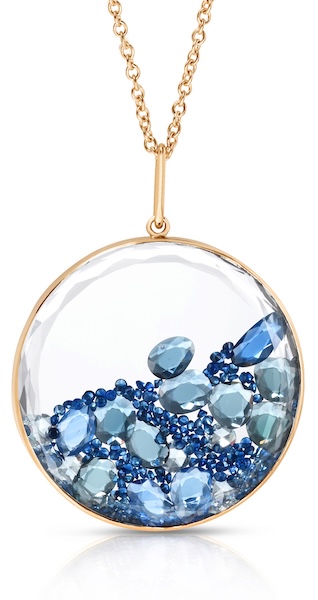
Moritz Glik Necklace in 18K with 6.06CTW sapphires and 0.98CTW diamonds MSRP $17,500 moritzglik.com 212.679.0948
5. Prioritize Long-Term Relationships
Over Short-Term Promotions
In competitive or uncertain markets, it can be tempting to rely heavily on discounts and constant promotions. But success really comes when you focus on relationship marketing instead of price-driven marketing.
Loyalty programs, anniversary reminders, VIP events, personalized outreach, and consistent follow-up communication help you stay connected to clients long after a purchase is complete.
The retailers who will thrive in this changing landscape are the ones who recognize that marketing is no longer just about attracting attention. It is about creating trust, delivering experience, and building relationships that endure through changing consumer habits and evolving technology.