American consumers’ purchases of diamond bridal jewelry from specialty jewelers edged up in the first quarter, building on a 2% increase in 2025. This revenue growth came despite a flat number of weddings in the US.
The increase is not entirely surprising. Consumers who are willing to spend on diamond jewelry are spending more per item, and , in some cases, buying more items. This is especially evident in the $1,500 to $5,000 sweet spot for bridal jewelry, according to Tenoris. bi (https://www.tenoris.bi/).
Two key trends emerge in the US market. First, specialty jewelers appear to be attracting consumers at the expense of multi-item retailers such as Macy’s, a reversal from the trend seen just a few years ago.
Diamond Engagement Ring Economics
The second trend is consumers’ preference for larger diamonds. Average carat weight has increased by 14% over the past few years. This has been supported in part by declining diamond prices, but also by a halo effect from lab-grown diamonds.
The most significant trend, of course, is the continued rise of lab-grown diamonds, particularly in bridal, the industry’s most important category.
Bridal jewelry, engagement rings, wedding bands, and wedding sets, is being set with lab-grown diamonds more frequently than ever.
That said, most diamond-set bridal jewelry still features natural diamonds and continues to generate the vast majority of the bridal category revenue.
There is one notable exception: engagement rings set with lab-grown diamonds have represented the majority of units sold since early 2025.
Before drawing the conclusion that natural diamonds should be abandoned, consider this: gross profit from engagement rings set with natural diamonds is roughly two-thirds higher than those set with lab-grown diamonds, and the gap continues to widen.
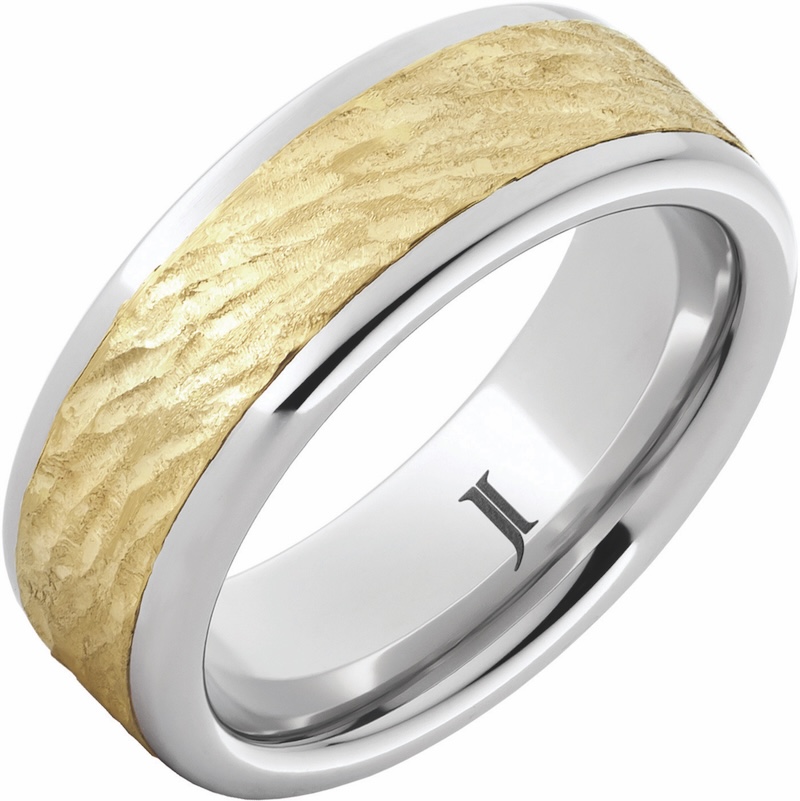
Jewelry Innovations Serinium® 14K gold inlay with tree bark finish MSRP $1,731 jewelryinnovations.com 800.872.6840
Revenue from natural diamond engagement rings remains more than double that of lab-grown, despite declining unit sales.
Perhaps most importantly, while the long-term trend among lab-grown diamond buyers is to spend less per item, consumers purchasing natural diamond engagement rings are spending more. This is driven, in part, by a shift toward larger natural diamo nds with higher color and clarity grades.
The Positioning Challenge
There is also a positioning issue to consider. How will a custo mer feel if they pass your store and see that a lab-grown diamo nd they purchased a year ago is now selling for 15–20% less? And how mi ght that affect their perception of your brand as a luxury reta iler?
Takeaways
Diamond jewelry buyers are increasingly behaving like luxury consumers. Moving upmarket alongside them is a logical strategy. Major diamond suppliers are actively supporting retailers in this effort, through category marketing as well as tailored initiatives.
At the same time, if a customer walks into your store set on a lab-grown diamond, turning them away rarely makes sense. Instead, qualify the sale. For example, be clear about policies, such as not offering buybacks on lab-grown diamonds.
As you know, selling jewelry is about great storytelling. For most, the story of how they got engaged is an important moment i n their life. Being part of that moment is an exceptional honor as well as a responsibility. Always remember that and treat this important moment accordingly.
Edahn Golan (https://www.edahngolan.com/) is an independent analyst focused on the global diamond market. His work centers on pricing, supply trends, and consumer demand, with a particular focus on lab-grown diamonds. Through straightforward, data-led research, he helps retailers, wholesalers, and industry professionals make sense of a market that’s changing quickly—and make more informed decisions as a result.