
FYI
HOW SUCCESSFUL IS YOUR STORE DESIGN? ARE YOU GETTING A GOOD RETURN ON YOUR INVESTMENT IN YOUR SPACE?
Lyn M. Falk
You spend a lot of $ on monthly rent if you don’t own your space, and you spend a lot of $ getting your store designed, built out, and maintained. So how do you know you’re getting the most out of your investment? And I’m not talking about your sales staff. I’m sure they are all well trained to greet everyone that enters your space and help them find what they’re looking for. But there are times when they are all busy, or someone comes in with a friend/partner who is left to wander around. You want to make sure your store is designed in a way that sells itself! It should sell your brand, your product categories, and of course, your product lines. How many of you can say your store does that on its own?
Here are four questions to ask yourself to determine if your store’s design is contributing positively to your bottom line.
1
Is your storefront and exterior signage attracting attention from all who pass by?
This includes auto-traffic, bicyclists, and pedestrians near and far (across the street or down the mall). If you’re not grabbing eyes of at least 50% of those who pass your storefront, your store is a “drive-by/walk-by”, and you are losing brand/location awareness. Make sure you have a large, noticeable sign that is well illuminated late into the night, well-lit window displays (changed often) with simple but dramatic displays, and a decorative element that projects from the building, ie: a flag, banner, balloons, a sculpture, window boxes, or, items that sit on the sidewalk, ie: signboard, seating units, planters. Make your storefront stand out, make it attention-getting and memorable so at least 25% of those 50% want to stop in and shop or come back to visit..
2
Are your customers voluntarily walking around your entire store, or do they only seem to shop on one side or in one department?
If they aren’t seeing or quickly absorbing all your offerings, then your store is not doing its job. Strategically placing focal points and intentional signage makes a big difference in how much of your store a customer will experience. Proper illumination will also help guide customers to where you want them to look. The feet follow the eyes, so get your customers looking and moving.
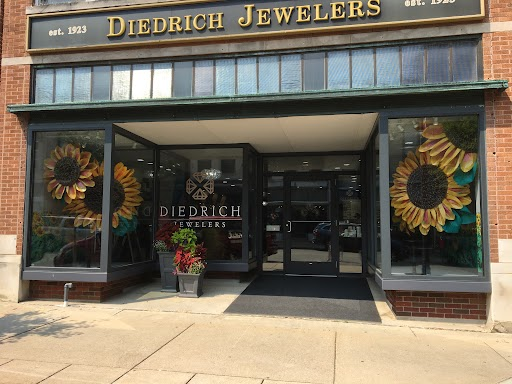
DIEDRICH JEWELERS
Ripon, WI
3
How long are your visitors/guests/ customers staying in your store when they are in shopping, or dropping off/picking up?
For the former, if they’re leaving in under 15 minutes of entering the store, it could be they aren’t finding the merchandise they want, OR it could be your store’s ambience. If your guests are finding your store to have a comfortable and inspiring experience, they will linger longer. This is not just accomplished through good customer service, but with the right type and volume of music, the right type and amount of aroma, the right offerings of beverages, the right type of seating pieces, and the amount of overall satisfaction with the visual décor. All of these elements contribute to a how a customer feels in the space and how long they will stay to talk “jewelry” and consider additional purchases.
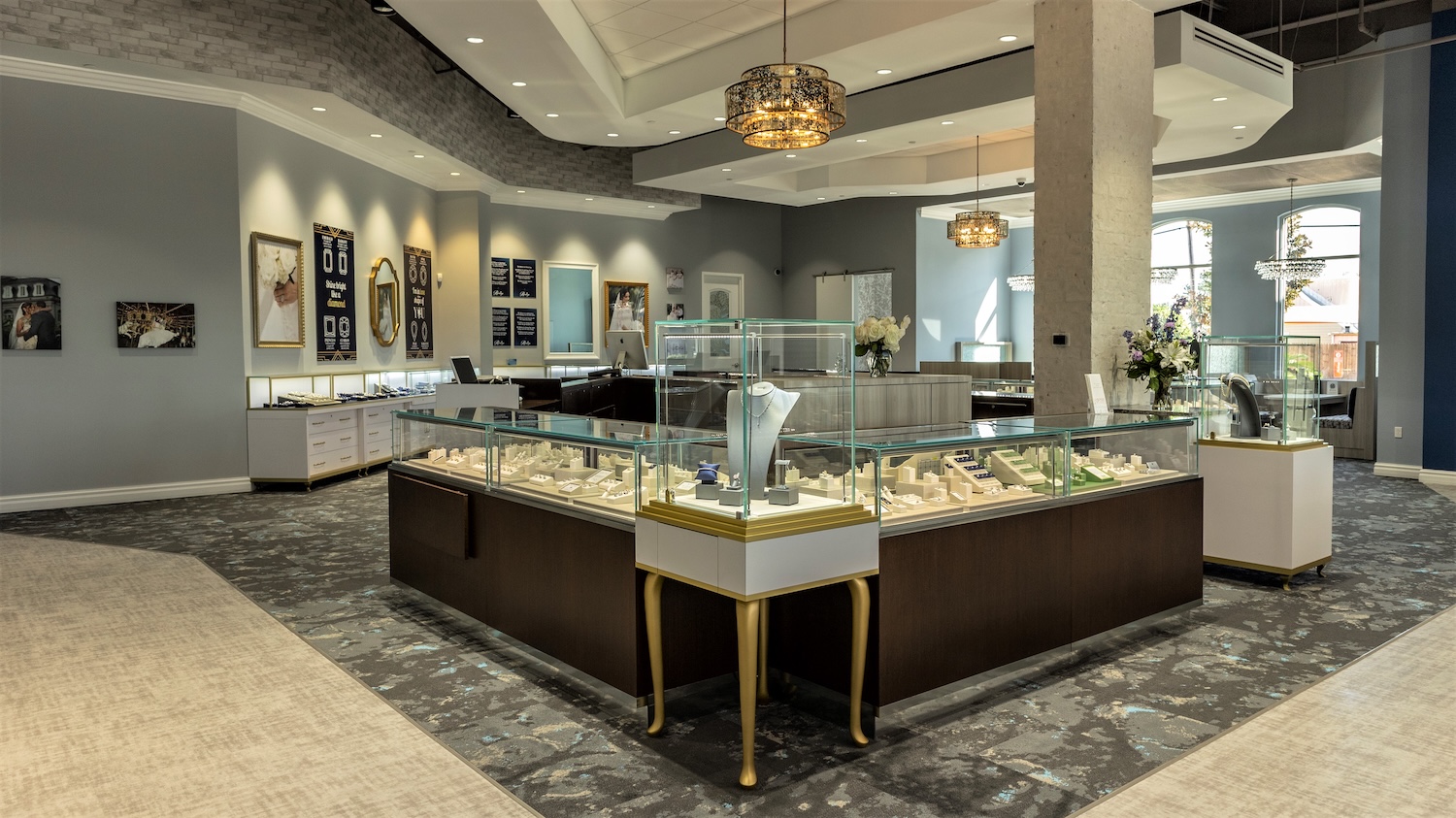
RAMSEY’S JEWELERS
Metairie, LA
For those just picking up or dropping off, it’s likely the person doesn’t have a lot of time and is just doing it in between other errands or activities. However, if you can get even these individuals to stop and look at something or make a comment on their way in or out about a new line of jewelry you just got in, or a promotion you are offering, then the store’s layout, design and displays are doing their job.
4
Is there something in your store that grabs your customer’s attention because it was either unexpected, and/or provided them with a smile, appealed to a need/want or some information they can use in their life?
Then your store has created an emotionally engaging element. Over 85% of our purchases are made with our right brain which houses our emotions, so emotional engagement is critical! An example would be having a trunk show, or a “live” performance by a local musician. It might be a change in the typical seasonal décor, or an area set up with an educational promotion of a new product line where customer interaction may or may not be required. Your store should always have an area that can be changed out to accommodate new and exciting offerings to keep customers wanting to come back for more experience, information, and inspiration.
So, audit your storefront and store interior on a regular basis and see if it’s living up to the investment you have made or continue to make. If you have applied the ideas and techniques noted above, you are no doubt contributing positively to your bottom line.
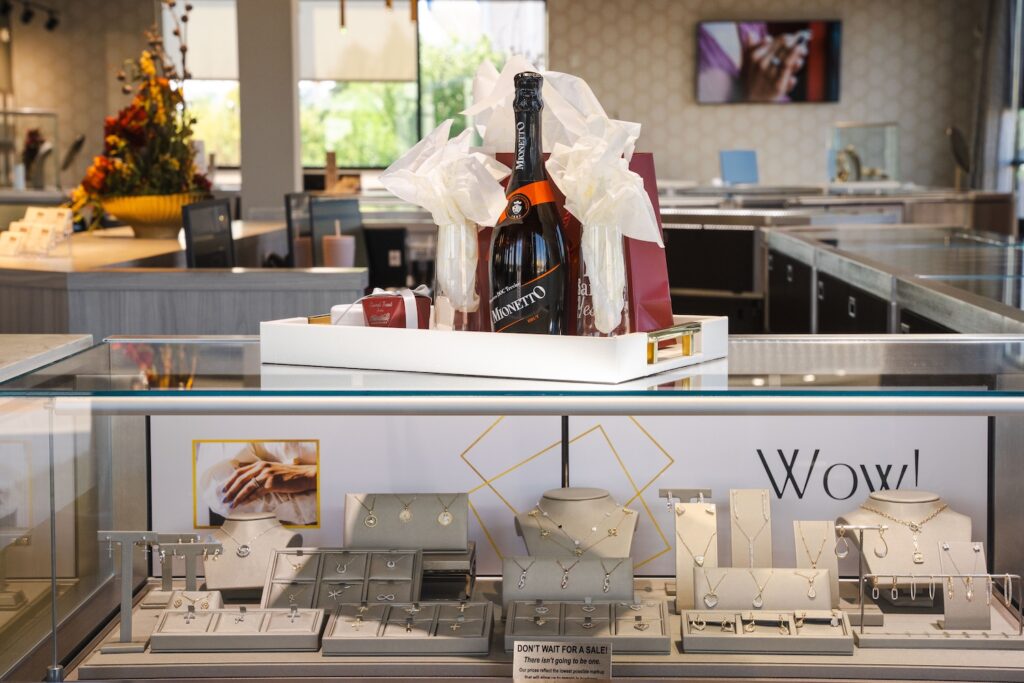
KESSLER DIAMONDS