
FYI
THE IMPORTANCE OF DIAMOND SCREENING: CHALLENGES, TECHNIQUES, AND RESOURCES
Wade Abel
The diamond industry has experienced significant change with the growing prevalence of laboratory-grown diamonds. Accurate disclosure and verification remain critical, and updated screening practices are essential as production technologies evolve. Whether or not laboratory-grown diamonds are a part of your inventory, the ability to provide your customers with the details to support an informed purchase decision is paramount.
Costar
Oval bezel & oval accent diamonds in 14K
$4,750
costarimports.com
888.726.7827
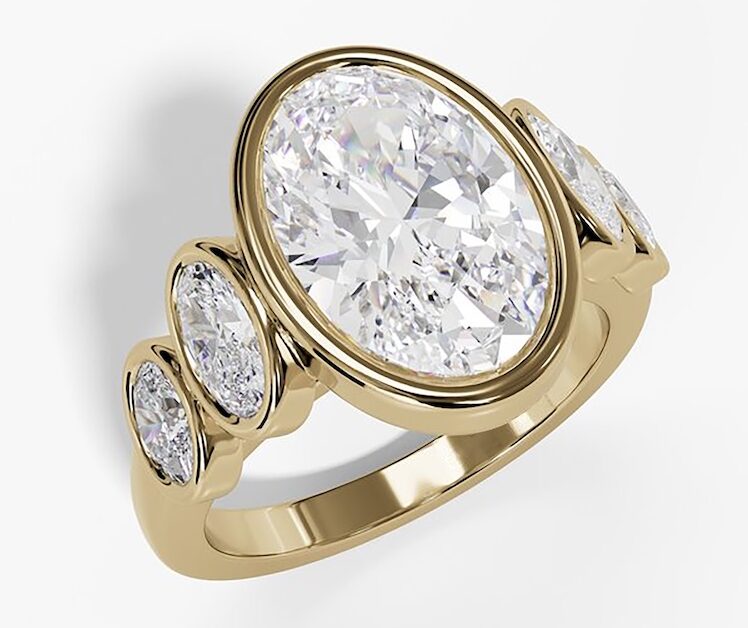
Costar
Oval bezel & oval accent diamonds in 14K
$4,750
costarimports.com
888.726.7827
The Differences Between Natural and Laboratory-Grown Diamonds
Laboratory-grown and natural diamonds share the same optical, chemical, and physical properties, making them difficult to distinguish. Their differences originate in their formation processes and chemical signatures, specifically at the atomic level. It is these differences that allow for the screening of diamonds.
Natural diamonds contain nitrogen aggregates, groups of nitrogen atoms, that develop over millions of years. In contrast, laboratory-grown diamonds, created using Chemical Vapor Deposition (CVD) or High-Pressure High- Temperature (HPHT) methods, do not have the same groups of nitrogen atoms.
Natural diamonds contain nitrogen aggregates, groups of nitrogen atoms, that develop over millions of years. In contrast, laboratory-grown diamonds, created using Chemical Vapor Deposition (CVD) or High-Pressure High- Temperature (HPHT) methods, do not have the same groups of nitrogen atoms.
Key Technologies in Diamond Screening
While screening techniques offer valuable insights, no single method provides definitive determination, and some require interpretation. Using multiple techniques or instruments offers better insight; however, advanced laboratory tests may be required for conclusive results.

Fana
Wide14K band with emerald cut diamond ring
MSRP $3,200
fanajewelry.com
800.433.0012
Fana
Wide14K band with emerald cut diamond ring
MSRP $3,200
fanajewelry.com
800.433.0012
Four diamond screening technologies used for accessible diamond verification instruments (DVIs) include:
1. UV Transmission testing: Measures a diamond’s ability to absorb or transmit ultraviolet light. Natural diamonds with nitrogen aggregates block UV; some laboratory-grown diamonds allow it to pass through.
2. Fluorescence imaging: Uses deep ultraviolet (UV) light to examine fluorescence color and phosphorescence, which can help identify laboratory-grown diamonds.
3. Fluorescence spectroscopy: Analyzes spectral peaks formed by nitrogen aggregates to determine a diamond’s origin.
4. Phosphorescence decay: Measures how long a diamond continues to glow after exposure to UV light. Natural diamonds exhibit short decay; some laboratory-grown diamonds phosphoresce longer.
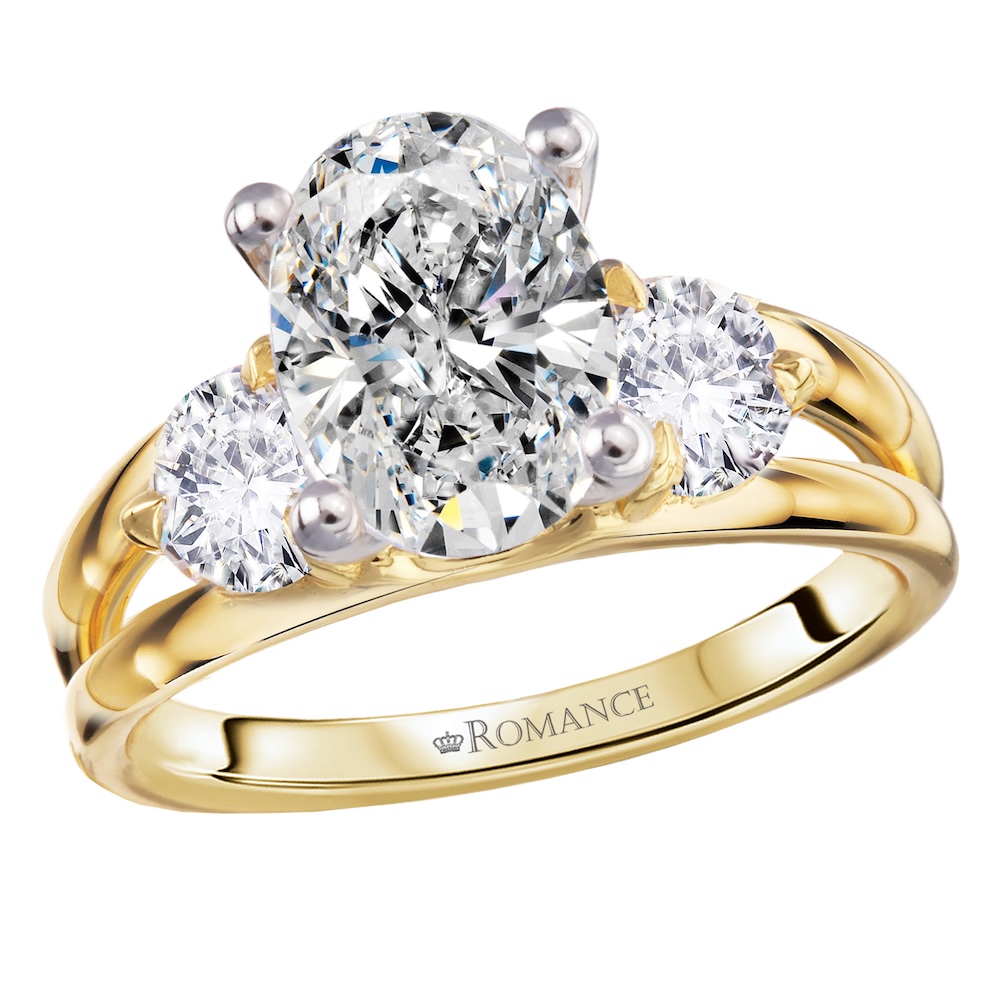
Romance by KIM
14K gold semi-mount 3 stone engagement ring with unique split shank
MSRP $8,618
kimint.com
800.275.5555
Romance by KIM
14K gold semi-mount 3 stone engagement ring with unique split shank
MSRP $8,618
kimint.com
800.275.5555
Project ASSURE and Selecting the Right Screening Instrument
The ASSURE Program, launched by the Natural Diamond Council, is an independent testing regimen for DVIs. The American Gem Society (AGS) recommends using the ASSURE Directory, a public database that lists tested DVIs along with performance reports. These reports include the following key performance metrics that can assist in the purchase decision for a DVI.
- Diamond False Positive Rate: Determines how often lab-grown diamonds or simulants are incorrectly classified as natural. This should be 0% to prevent misidentifying lab-grown diamonds as natural.
- Diamond Referral Rate: Determines how often natural diamonds are referred for additional testing as a percentage.
- Diamond Accuracy: Determines the percentage of natural diamonds correctly classified.
- Laboratory-Grown Diamond Referral Rate: Determines how often lab-grown diamonds are referred for further testing. Ideally 100%.
Retailers should reference the ASSURE Directory and review these key performance metrics when selecting screening equipment rather than relying solely on manufacturers’ claims.
IDD
14K white gold 2 1/3 oval lab grown diamond engagement ring
MSRP $1,999
iddluxe.com
800.621.1162

IDD
14K white gold 2 1/3 oval lab grown diamond engagement ring
MSRP $1,999
iddluxe.com
800.621.1162
Best Practices for Diamond Screening in the Supply Chain.
It is important to incorporate diamond screening at every stage in the supply chain:
- Vet suppliers: Work with reputable sources that conduct rigorous screening.
- Establish screening policies: Implement internal procedures for referring uncertain diamonds for additional testing, including using advanced testing services provided by reputable laboratories.
- Regularly calibrate equipment: Ensure instruments function accurately by performing routine maintenance.
By adopting comprehensive screening protocols, businesses can maintain the integrity of their diamond inventory and uphold consumer trust.
Final Thoughts
The importance of diamond screening cannot be overstated. Laboratory-grown diamonds have become more prevalent. Therefore, industry professionals must remain vigilant in their verification processes. Utilizing a combination of advanced screening instruments, standard gemological techniques, and third-party verification resources ensures accurate disclosure and protects consumer confidence. By staying informed and proactive, professionals across the diamond industry can navigate the challenges of diamond screening with confidence.
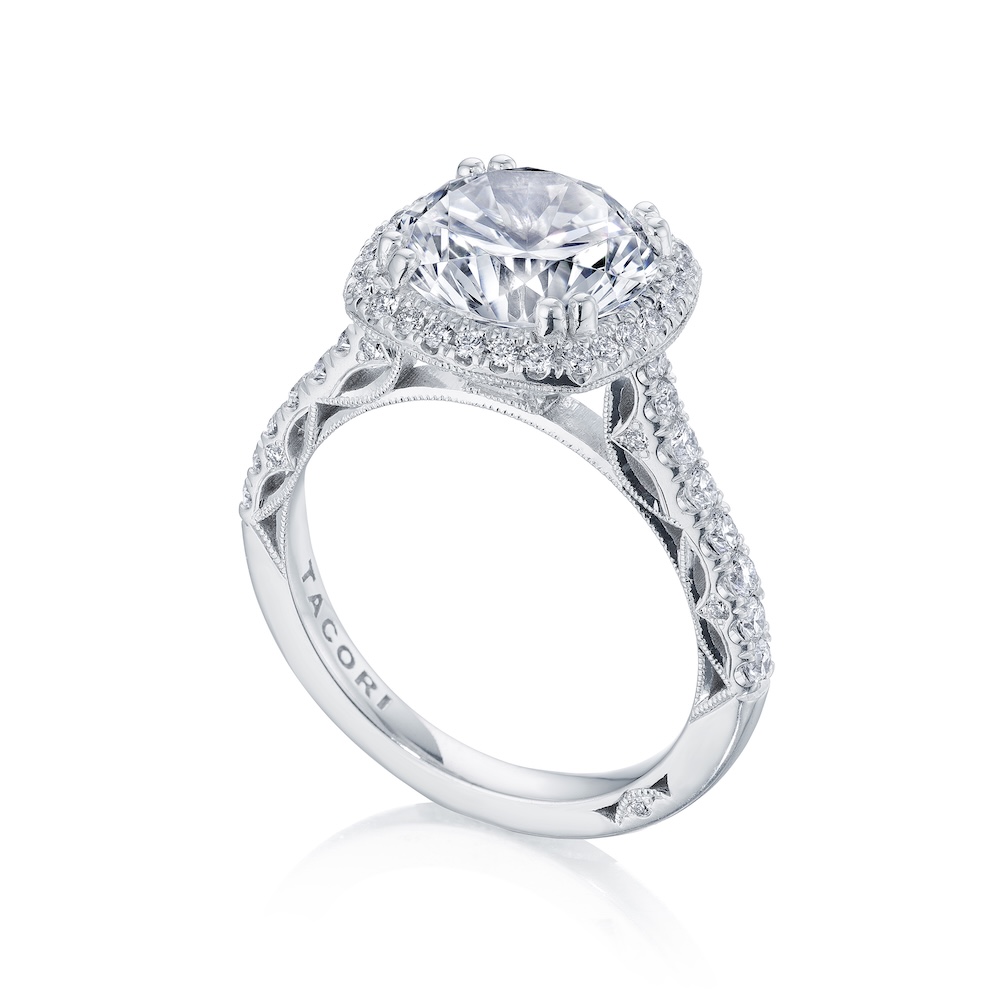
Tacori
Daniela 18K white gold cushion bloom ring (center stone not included)
MSRP $5,489
tacori.com
800.860.2523
Tacori
Daniela 18K white gold cushion bloom ring (center stone not included)
MSRP $5,489
tacori.com
800.860.2523

Wade Abel CG, is Director of Education and Gemology at AGS
American Gem Society (AGS) members adhere to a Code of Ethics that helps increase customer confidence. AGS credentials prove that members are up to date with industry developments and regulations because they must recertify annually with education and an exam. Overall, it comes down to understanding the guidelines that need to be followed and a knowledgeable sales team that can incorporate clear, accurate, and honest communication to help inform the customer. This promotes consumer protection and integrity in the industry and helps customers appreciate their purchase. For more information about AGS membership, visit ags.org/membership or contact membership@ags.org.