6 Must-Implement Changes for Your Product Pages to Attract Today's Jewelry Shopper
Jennifer Shaheen
Jewelry continues to be a category where in-store shopping is dominant. Capital One Shopping’s research confirms that 45% of consumers prefer buying in-store, compared to 28% who prefer shopping online. Your in-store experience is your biggest competitive advantage.
Today’s shoppers move seamlessly between search engines, social platforms, AI-powered shopping assistants, and your physical store before making a purchase. 86% begin their product research online before visiting a store, 55% check a retailer’s website before their in-store trip, and 25% browse while standing in the store. The technology that influences how products are found, evaluated, and purchased is changing faster than most retailers can keep up.
Your product page is no longer a stop along the way. It is often the moment of truth, shaping preferences before a customer reaches your door. Invest in richer product pages, and you gain something more valuable than online sales: customers who arrive more confident, more ready to buy, and more likely to purchase at a higher value.
Jewelry is an emotional purchase, and your images carry that weight. When a customer cannot hold a piece, every view must substitute for touch: closeup details that reveal craftsmanship, accurate color, lifestyle context, and a sense of scale on the body. Video goes further. A short clip of a ring catching light from multiple angles, or a necklace styled to help a gift-giver picture the moment, delivers what no still photograph can. On mobile devices, if images do not load quickly, zoom well, and swipe smoothly, you have already lost them.
2. REAL CUSTOMER VOICES, FRONT
AND CENTER
A review showing how a necklace’s durability over a year of daily wear results in more sales than any marketing copy you can create. Customers purchasing high-value, meaningful pieces seek reassurance from others who have made the same choice. Provide star ratings, written reviews with photo options, and a Q&A section that covers sizing, materials, care, and customization. This builds trust before hesitation sets in and makes your product information easier for AI systems to read.
3. TRUST SIGNALS THAT REMOVE
FRICTION AT THE FINISH LINE
A shopper can be ready to buy and still walk away. The reason is almost never price; it’s uncertainty. Surprises at checkout, unclear return policies, and the lack of a visible way to contact a person are the main issues. Show the full cost upfront, including fees for customization or engraving. Clearly state your shipping speed on the product page. Summarize your return policy in simple language. And provide shoppers with a visible way to contact you: live chat, a Call Us button, or a booking link, especially on your most valuable items.
4. PRODUCT DATA THAT AI SYSTEMS
CAN READ AND ACT ON
Your product page is no longer read only by humans. AI systems on Google, Clause, ChatGPT, and Perplexity now read your product data to determine what appears in search results and agentic purchasing flows. Agents skip products with incomplete data, and there is no second chance. Start with your titles: “Platinum Diamond Pave Band Ring, 0.25 ctw, Size 6” gets found in ways “ Platinum Band” never will. Use-case descriptions matter too: “Designed for daily wear with a low-profile setting” gives AI the semantic context to match your product to the right shopper. Keep pricing, inventory, and specifications up to date, and verify that your review schema renders correctly.
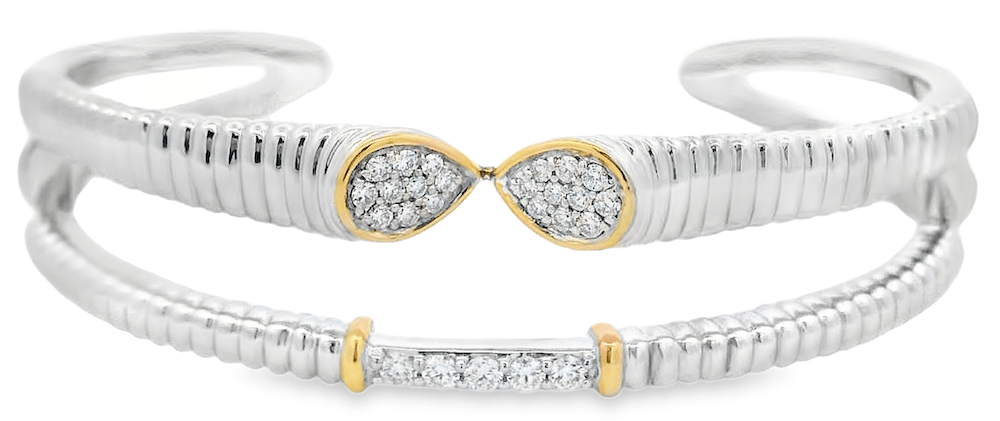
Piyaro Silver with 14K accents two row bracelet with 0.60ctw diamonds MSRP $3,375 piyaro.com 770.664.1818
5. A STORY THAT ONLY YOU CAN TELL
Product specifications inform a shopper about what they are buying. Your values and story explain why it matters, but for today’s consumer, those are often different conversations. For jewelry specifically, sourcing transparency, recycled metals, ethical stone certification, and artisan partnerships are key details that influence purchasing decisions, not just marketing extras. An easy-to-find callout or badge, or a brief “Why this piece” section, carries more impact than a paragraph of values. The modern social shopper verifies your brand story on Instagram and TikTok before making a decision. Authenticity on your product page must match what they discover there.
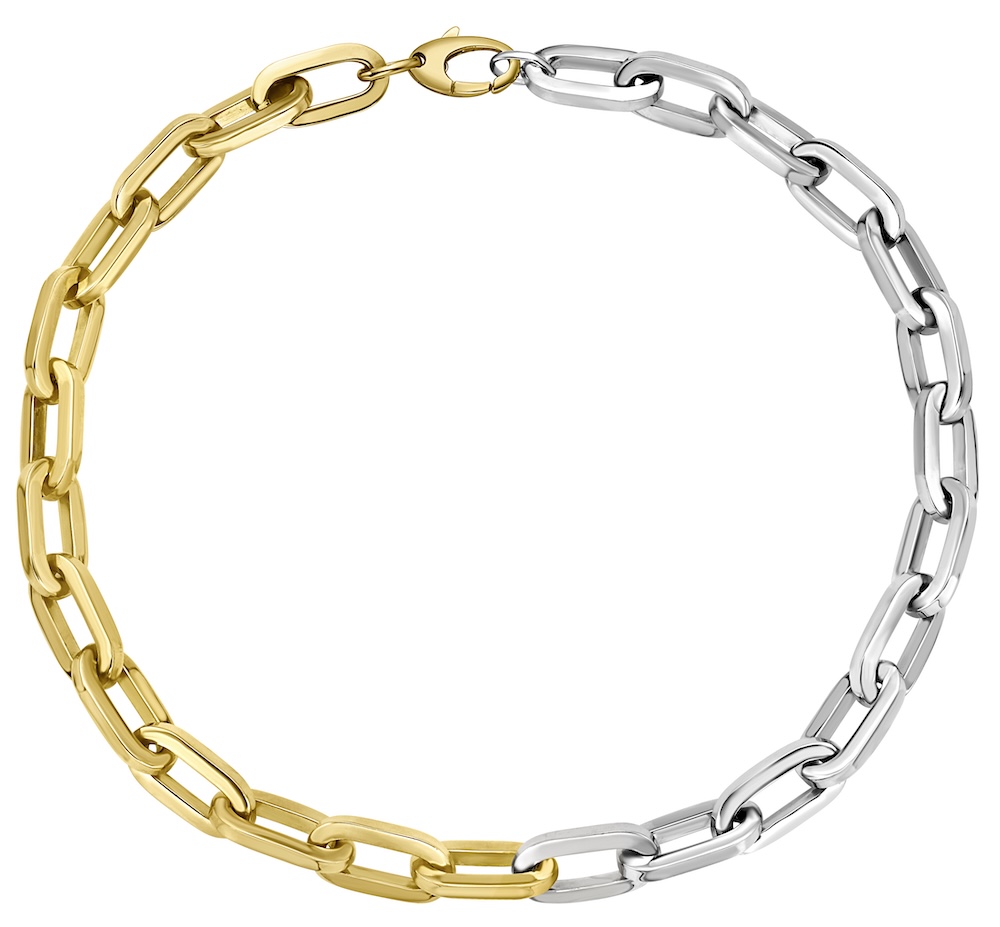
Lionheart Joy signature jumbo link split necklace MSRP $15,400 lionheartjewelry.com 917.261.2499
6. A CLEAR PATH FROM THE PAGE TO
YOUR STORE
More than half of your in-store customers visited your website beforehand. Are your product pages capitalizing on this? A call-out like “See this in Store” or a “Chat with Our Gemstone Specialist” button provides a ready-to-buy shopper with a direct connection to you, converting a browser into a scheduled visit and a sale.
THE FIRST CONVERSATION STARTS ONLINE
Your product page is often where future customers first discover your store. Make it specific, easy to act on, and valuable for their time. This reflects how you adapt to the evolving digital buyers today.
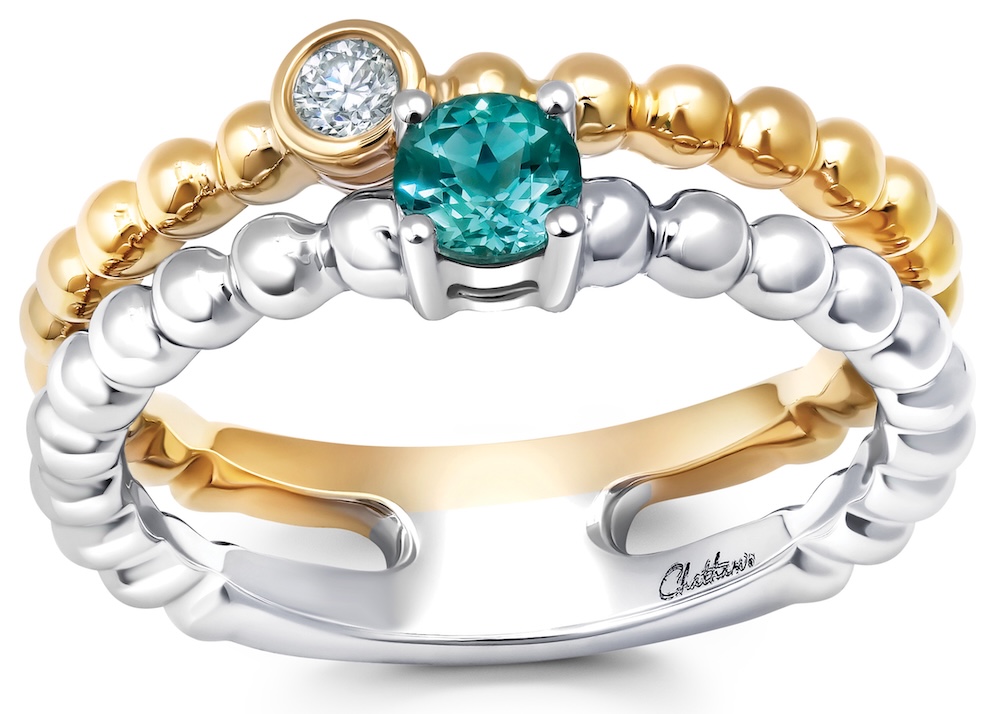
Chatham 14K two-tone lab-grown chrysoberyl ring MSRP $7,650 chatham.com 800.222.2002