BREAKTHROUGH TO EXCELLENCE
May 2026
You Have Sixty Seconds- Make Them Count
The storytelling discipline every retailer and wholesaler needs. And most skip.
Andrea Lucille Pooler, GIA GG
A client walks up to your case. You have about 60 seconds before their attention moves on. To their phone. To another case. To the voice in their head that says they don’t really need anything today.
What do you say?
Most sales teams I have worked with go straight to features. The stone is a 1.2-carat SI1. The metal is 14-karat rose gold. The price is $7,200. The client nods politely and moves on.
Features are not a story. Features are a spec sheet. And a spec sheet alone will not close the sale. The story opens the door. The specs validate the decision once the client is already leaning in. Lead with the pitch. Lead with the story. Then the specs have somewhere to land.
The piece that sells isn’t always the most impressive one. It’s the one your staff can tell a story about before the client walks away.
Amali
18K gold and sterling silver ring with turquoise
MSRP $3,570
amalijewelry.com
781.789.8976
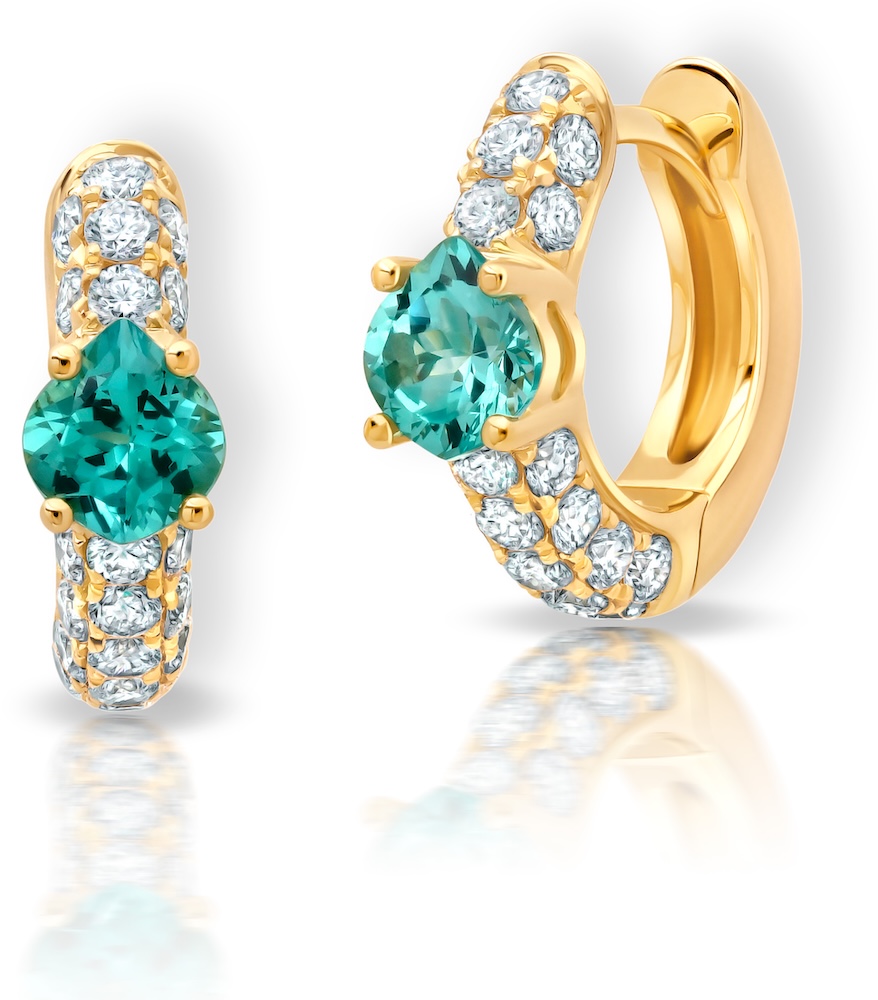
Chatham
14K yellow gold lab-grown chrysoberyl huggie earrings
MSRP $2,667
chatham.com
800.222.2002
Start With the Story, Not the Stone
Every piece of jewelry has a story if you’re willing to find it. The story might lie in the stone’s origin. Montana sapphires from a family-owned mine. Colombian emeralds from a single estate. It might live in the technique. Hand-fabricated. Milgrain edge. A setting style that’s been around since the Edwardian era. Or it might live in the moment the piece was made for. The push present. The milestone birthday. The ‘I finally did it’ ring a woman buys herself. And sometimes the story lives entirely in the design. The geometry of an Art Deco silhouette. The weight of a sculptural cuff. A stacking set that invites the client to keep building.
Your job is not to recite specifications. Your job is to hand your client the beginning of a story they want to finish.
But you cannot start that story before you know what the person in front of you is carrying. One genuine question first. ‘What brings you in today?’ or ‘Is this for someone special, or are you treating yourself?’ Then you actually listen. Not to find your opening. Because you need to know what emotional space they are in before you can choose the right story. The person buying a gift for a grieving friend and the person celebrating a promotion need completely different things from
you, even when they are standing in front of the same case.
Once you understand what they are carrying, I use this simple framework. I call it the 60-Second Story:
1. The context. What did they just tell you? Who is this for, and what is the occasion?
2. The detail. One specific, memorable thing about the piece. The stone, the technique, the design, or where it comes from.
3. The feeling. What does it mean to own this piece? What does it say about the person wearing it?
That’s it. Context, detail, feeling. Not carat weight. Not clarity grade. Not your cost.
You are not delivering a pitch. You are reflecting their story back to them through a piece of jewelry. The framework works because you executed it well, and the client heard themselves in it. That is the moment jewelry sells. Not when you finish talking. When they go quiet.
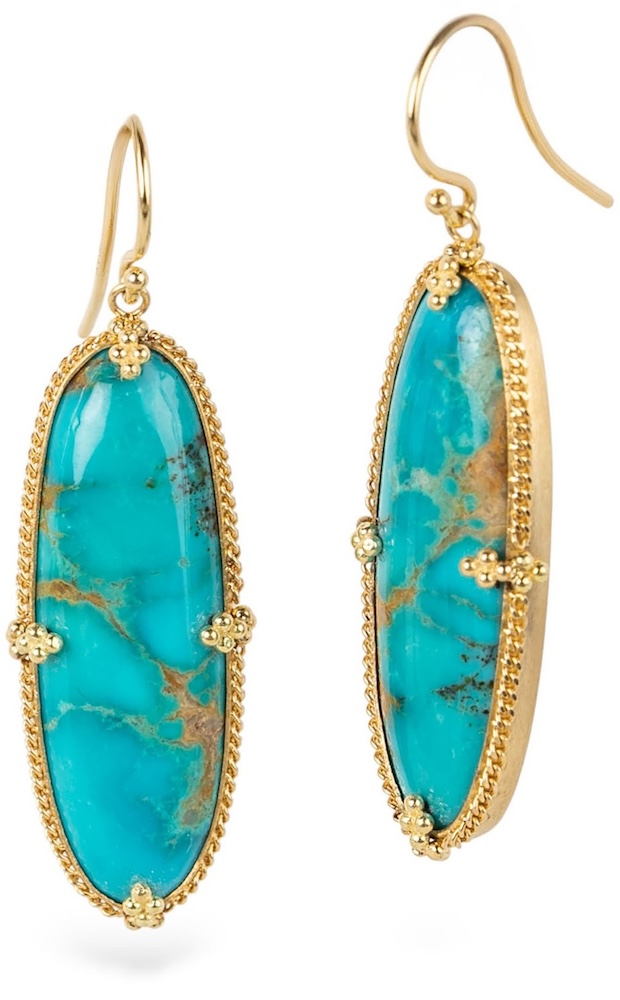
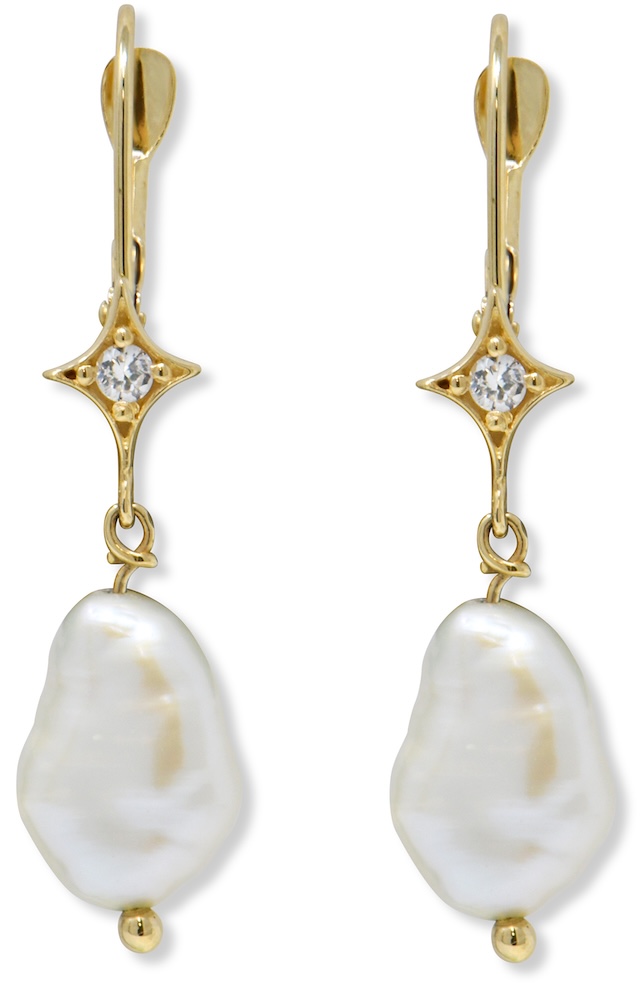
Anzie
14K clear topaz & baroque pearls
MSRP $750
anzie.com
888.341.2604
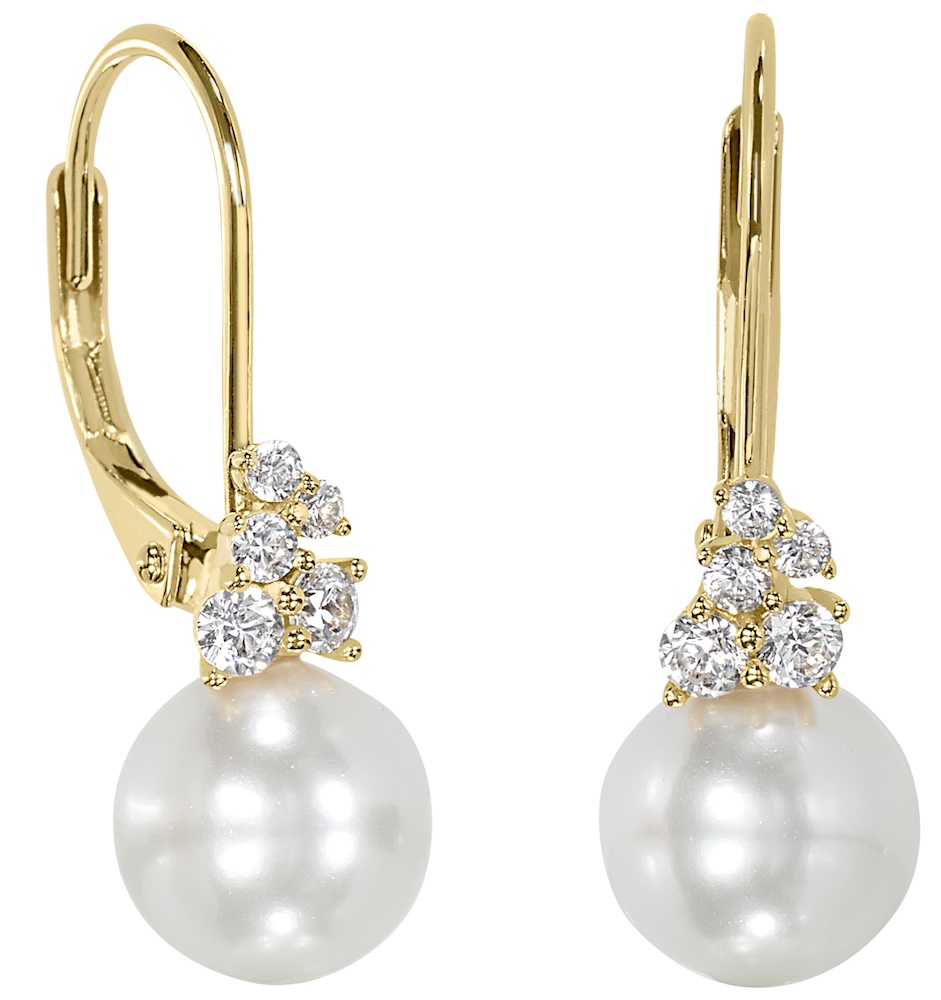
Kelly Waters
Gold vermeil shell pearl and simulated diamond earrings
MSRP $195
kellywaters.com
800-647.701
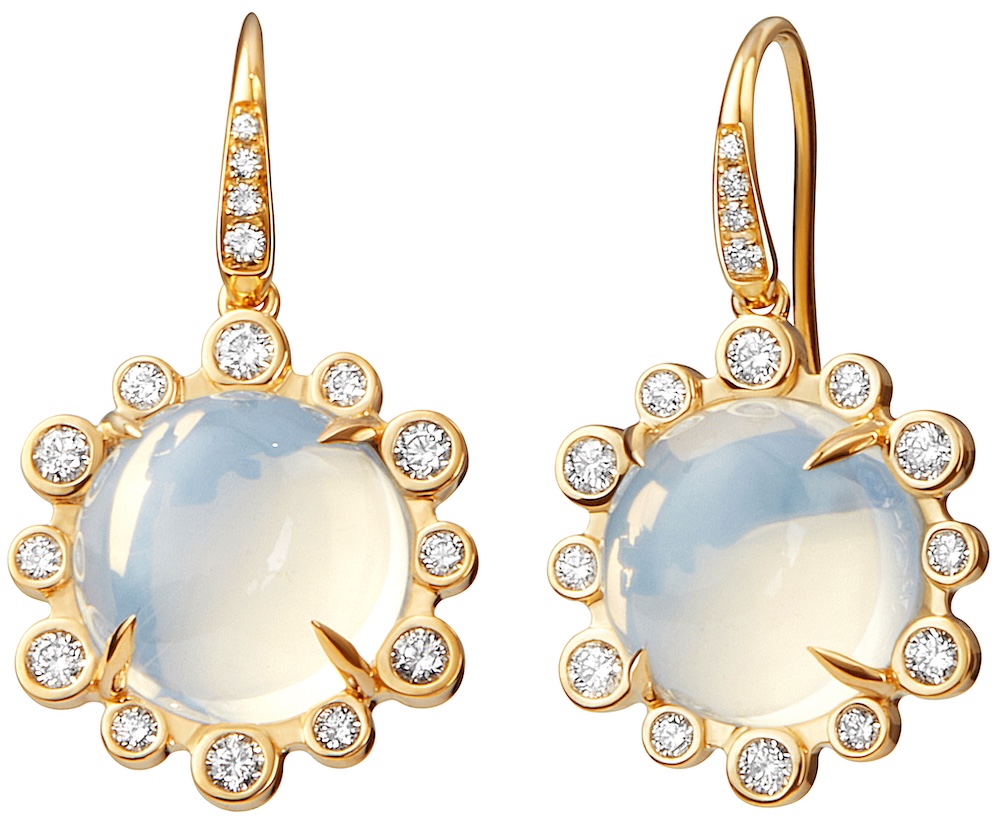
Syna
18K Aura moon quartz drop earrings with diamonds
MSRP $6,450
synajewels.com
201.336.4132
The Case Has to Tell the Story Before You Open Your Mouth
Here’s what most retailers miss: the story starts before your staff says a single word. It starts the moment a client looks at your case.
A crowded case doesn’t tell a story. It creates noise. When there are 60 pieces crammed into 30 inches of a jewelry display case, your client’s eye doesn’t know where to land, so it doesn’t land anywhere. The piece you’re most proud of is buried between three lookalikes and a tray of estate rings that haven’t moved since 2019.
I use a simple framework: for every 30 inches of jewelry case, no more than 30 pieces. It’s an approximation, not a law. But it forces the editing that most stores avoid. Breathing room creates perceived value. Space signals intention. Intention is a deliberate strategy, not an accident.
Collections Are Chapters
The stores I see doing well right now are not carrying more. They’re carrying smarter. They’re building what I call capsule collections: small, focused groups of pieces that share a story. A capsule might be built around a single stone, a design language, a moment, a price point, or a mood. Art Deco geometry for a client base that responds to vintage. A tight bridal edit for the actual brides who walk through your door. Clean minimalist settings for a younger buyer who layers. But whatever the anchor, it has to have one. A collection without a point of view is just inventory.
What surrounds those pieces matters too. Display risers, natural textures, and branded elements. They signal that this is a curated space.
A focused story is a sellable story. A collection without a point of view is just inventory.
Train the Story, Not the Spec Sheet
None of this works if your team can’t carry it. You can build the most intentional case on the floor, put together a beautiful capsule, surround it with the right props, and the whole thing falls apart the moment a staff member says, ‘it’s a 1.2 carat SI1 in 14-karat rose gold,’ and stops there.
Train your team on the story of every hero piece in your case. Where does this stone come from? What makes this setting different? Who is the client who is interested in this piece, and what is she celebrating? When your staff can answer those three questions without hesitating, they can close the 60-second pitch.
The piece that sells isn’t always the most impressive one. It’s the one your staff believes in. The one they can hand across the case with a story attached.
Give them the story. The rest follows.
The piece that sells isn’t always the most impressive one. It’s the one your staff believes in. The one they can hand across the case with a story attached.
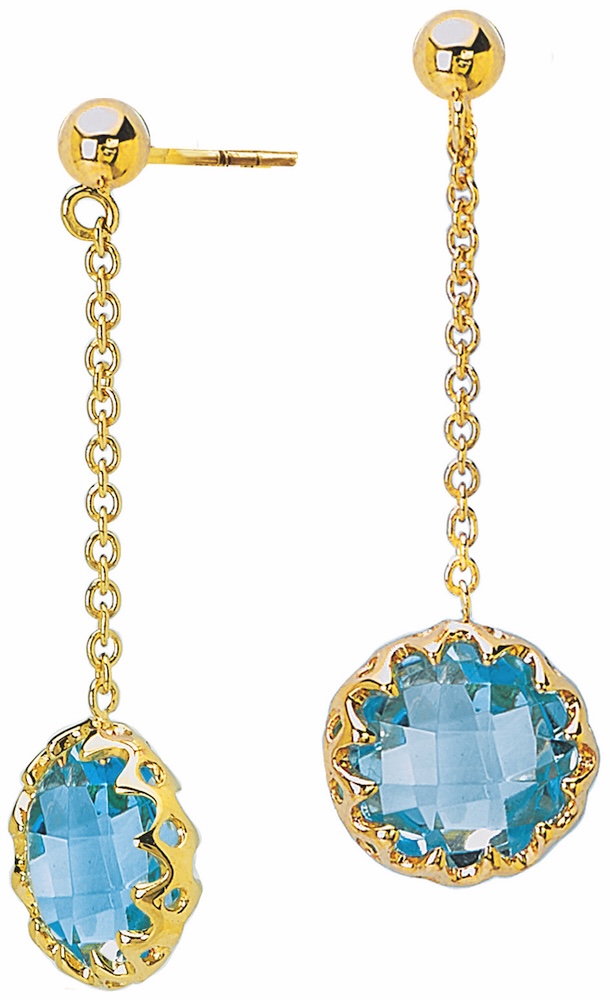
Tesoro by KIM
14K gold cable chain dangle earrings with round faceted Swiss blue topaz
MSRP $925
kimint.com
800.275.555
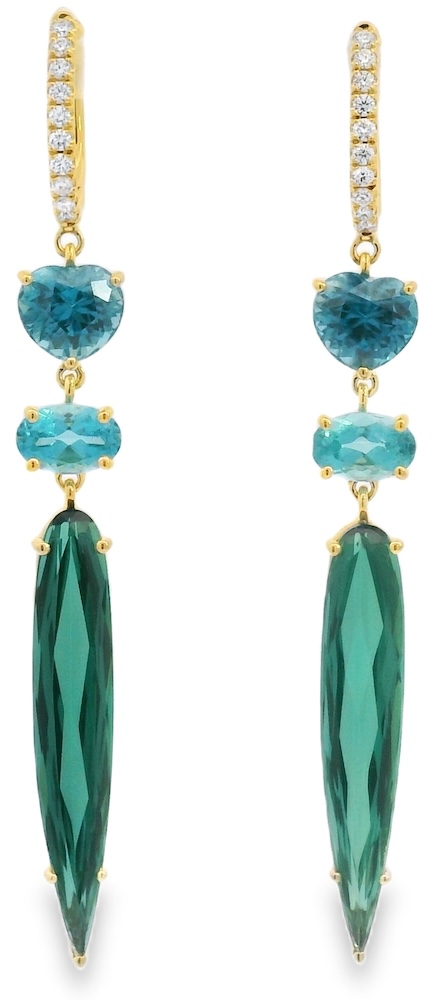
Lisa Nik
18K blue zircon, apatite, green
tourmaline asymmetric earrings
MSRP $11,500
lisanik.com
310.729.9760
More From The Jewelers Collective

Retail Fitness Test

Everyday Diamonds

Breakthrough to Excellence